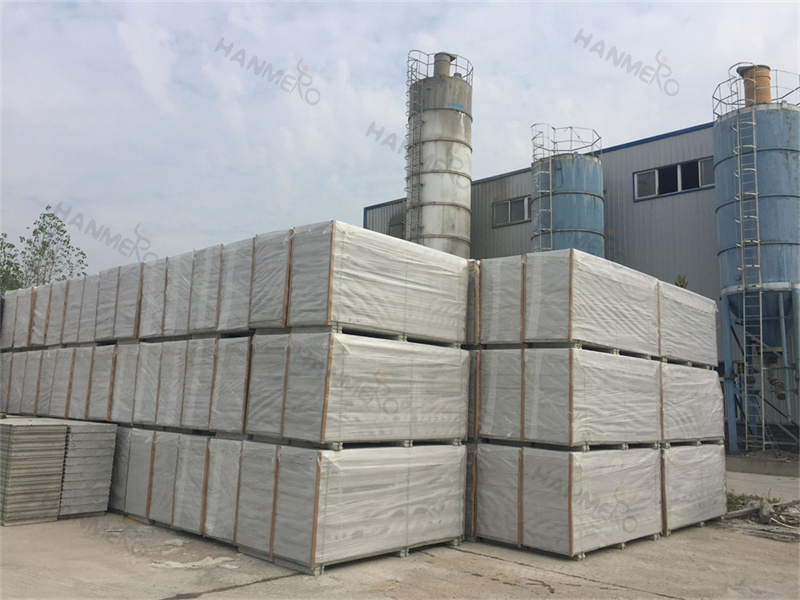
When it comes to building or renovating a modern home, selecting the right wall material can make a huge difference in construction efficiency, long-term living comfort and overall cost control. More and more contractors and homeowners are turning to EPS Cement Sandwich Wall Panel as their preferred wall solution, and this trend is not a temporary fad. The core structure of EPS Cement Sandwich Wall Panel is designed like a reliable building sandwich: two outer layers of high density fiber reinforced calcium silicate board, with a stable core made of expanded polystyrene beads bonded with modified cement mortar. This three-layer composite structure gives the panel unique advantages that traditional clay bricks, concrete blocks and gypsum boards cannot match.
First of all, the lightweight property of EPS Cement Sandwich Wall Panel drastically reduces the overall load of the building structure. A standard 100mm thick panel only weighs around 50kg per square meter, which is less than one third of the weight of a traditional 200mm thick clay brick wall. This light weight means construction workers can carry and install each panel without the help of heavy lifting equipment, cutting down the on-site installation time by more than 60% compared to traditional masonry work. For residential projects that have tight delivery schedules, this time saving directly translates to lower labor costs and earlier move-in dates for homeowners.
Besides installation efficiency, EPS Cement Sandwich Wall Panel also delivers outstanding thermal insulation performance. The closed-cell EPS core effectively blocks heat transfer between indoor and outdoor spaces, keeping the interior cool in summer and warm in winter. Many homeowners who have used this panel in their renovations report that their annual HVAC energy consumption drops by 25% to 35% after switching from traditional solid walls. This long-term energy saving not only reduces household utility bills, but also aligns with the global trend of low carbon and sustainable living. What is more, the panel comes with excellent fire rating performance, meeting the national A-level non-combustible building material standard, which adds an extra layer of safety protection for every family.