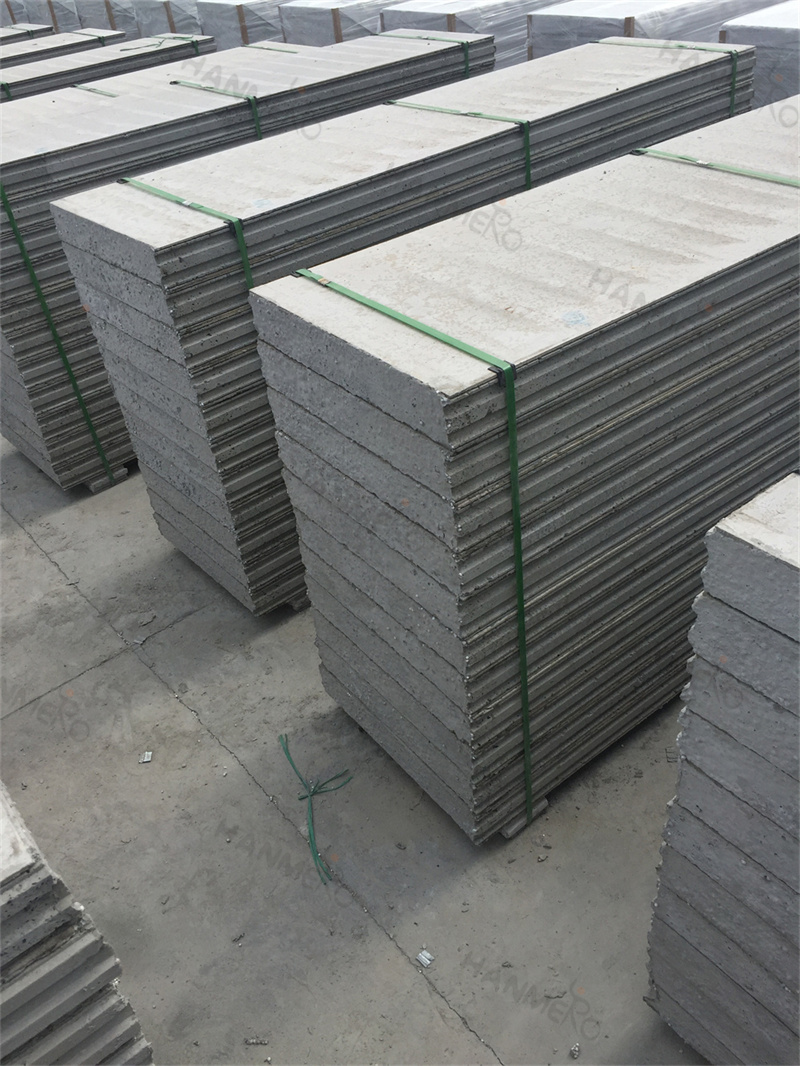
The global construction industry is under increasing pressure to reduce its carbon emissions and minimize environmental impact, and the EPS Cement Sandwich Panel has emerged as one of the most practical solutions to support this green transformation. Traditional masonry wall construction produces a huge amount of construction waste on site, including broken bricks, leftover mortar and packaging materials, most of which end up in landfills after the project is completed. In contrast, all EPS Cement Sandwich Panel units are prefabricated in the factory according to the exact dimensions of the project, so there is almost no material waste generated on the construction site. The small amount of leftover panel cuttings produced during installation can be recycled and reused in the production of new panels, creating a nearly closed-loop material cycle.
The low transportation carbon footprint is another important sustainability advantage of EPS Cement Sandwich Panel. Because the panel is extremely lightweight, a single standard delivery truck can carry 3 to 4 times the total wall area compared to a truck loaded with traditional clay bricks. This means the number of transportation trips required for the same project is greatly reduced, cutting down the fuel consumption and carbon emissions associated with material logistics. In addition, the thermal insulation performance of the EPS Cement Sandwich Panel continues to deliver environmental benefits decades after the building is completed. By reducing the heating and cooling energy consumption of the building, the panel indirectly reduces the greenhouse gas emissions from power generation, creating a huge cumulative environmental benefit over the entire 50+ year service life of the building.
Many people worry that EPS foam materials are not environmentally friendly, but the production process of modern EPS Cement Sandwich Panel has been optimized to minimize environmental impact. The EPS foam particles used in the core are treated with special flame retardant additives that do not contain harmful substances, and the entire panel does not release any volatile organic compounds (VOCs) after installation, ensuring excellent indoor air quality for the people living or working inside the building. The long service life of more than 50 years also means the panel does not need to be replaced frequently, unlike some short-life wall materials that have to be renewed every 10 to 15 years, which further reduces the total resource consumption of the building over its entire lifecycle.